South Dakota has a number of symbols that represent our culture and traditions. You can find them all in state law at Chapter 1-6 – but no need to click on that link, because they are also listed below! Among the most recent additions are chislic, which officially became South Dakota’s state nosh in 2018, and the traditional flute, which was designated as the official state indigenous musical instrument in 2022.
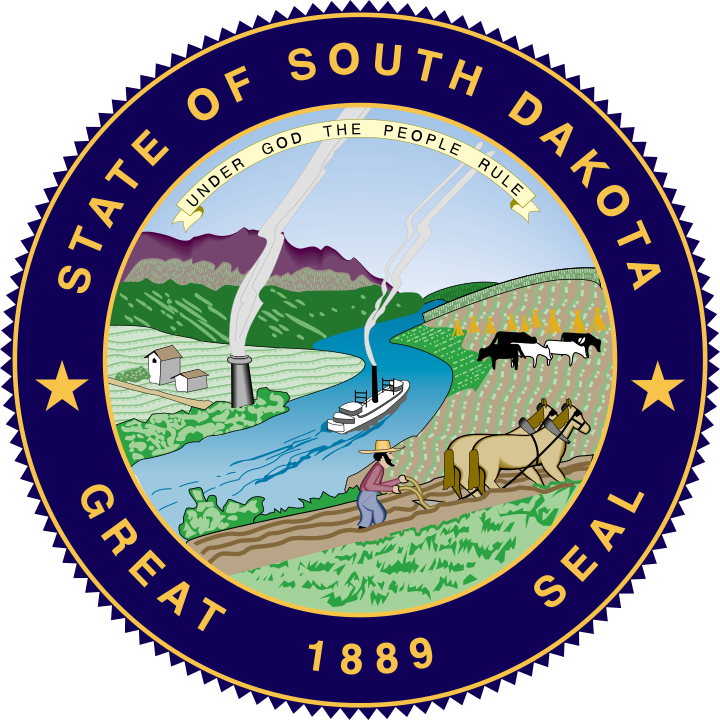
State seal and State Motto (1889). The South Dakota state seal is described in Article XXI, section 1 of the Constitution of South Dakota. The Constitution also sets the state motto as “Under God the People Rule” and requires that it appear on the state seal.
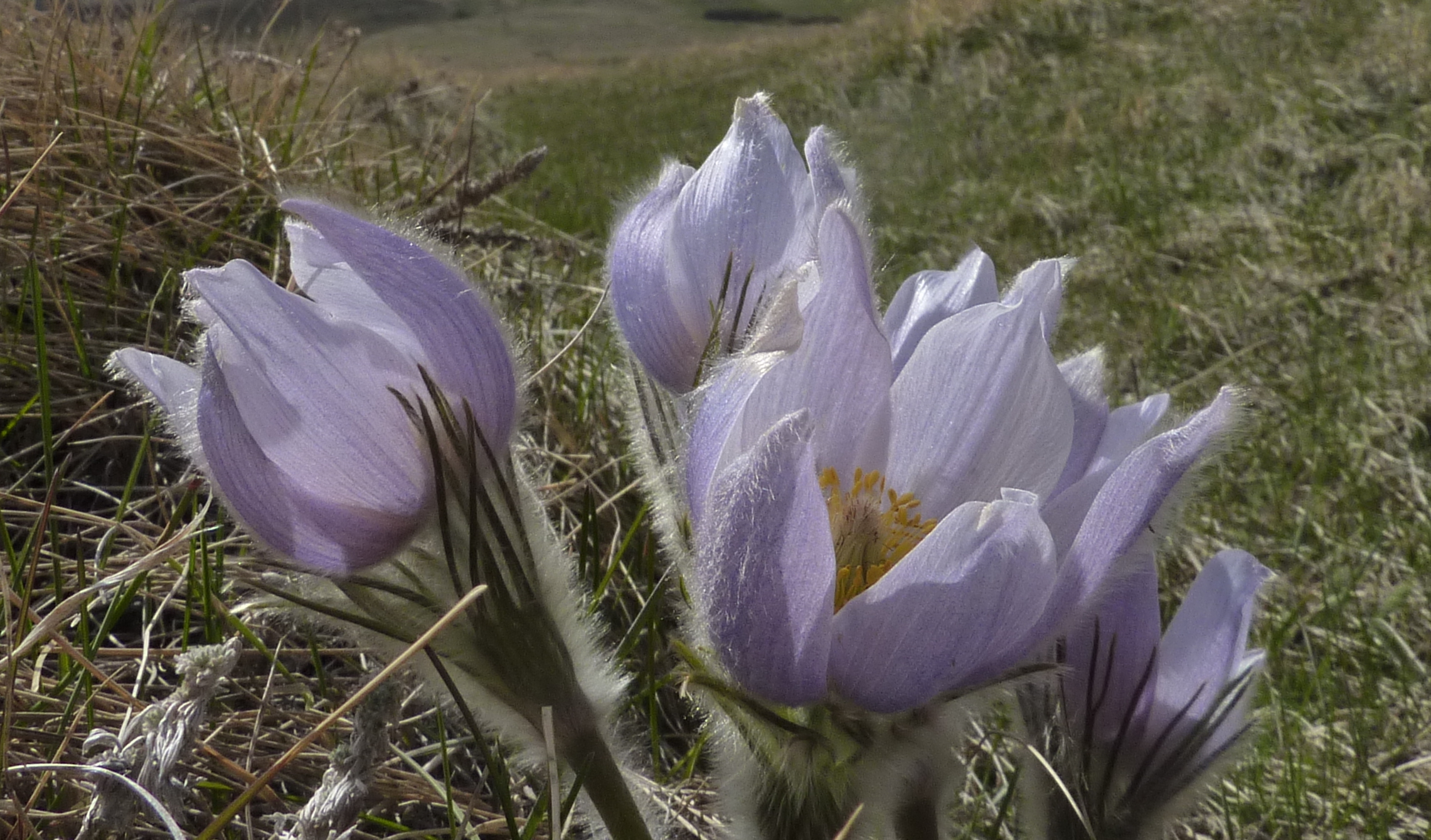
State floral emblem (1903) – American pasque flower. The scientific name of the flower is the pulsatilla hirsutissima; the floral motto is “I lead.”
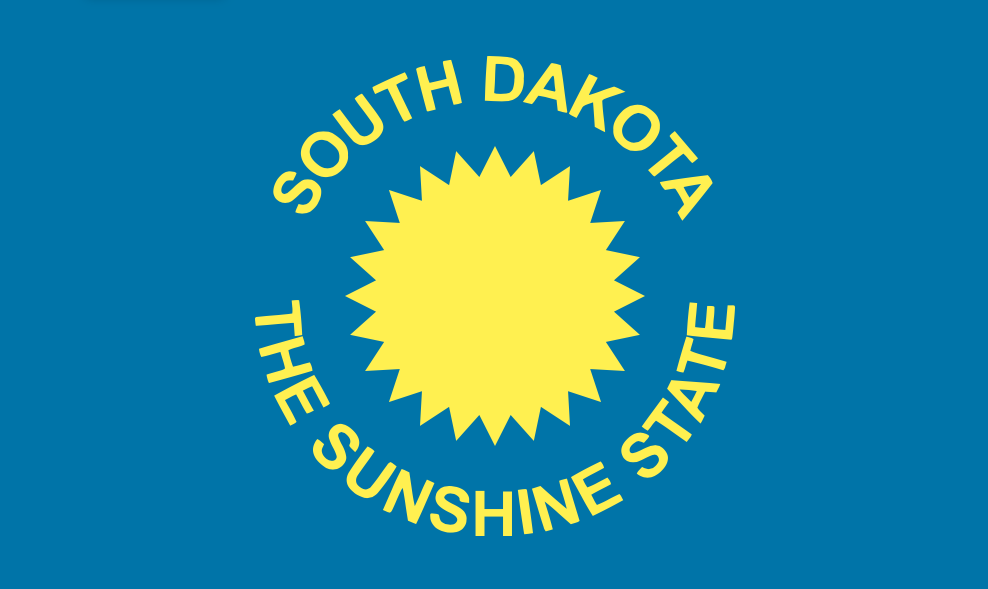
State flag (1909). The first state flag included a yellow sun with the words “South Dakota The Sunshine State” on one side; on the reverse side was the state seal.
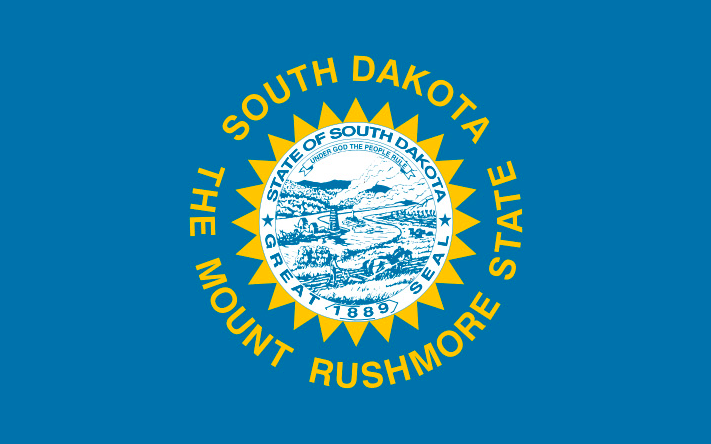
State flag (1963, 1992). A flag with two different sides was expensive to produce, so in 1963, the state seal was integrated into the golden sun. In 1992, “The Sunshine State” was replaced by “The Mount Rushmore State” (see below).
Pledge to the State Flag (1987). The official pledge to the state flag is as follows: “I pledge loyalty and support to the flag and State of South Dakota, land of sunshine, land of infinite variety.”
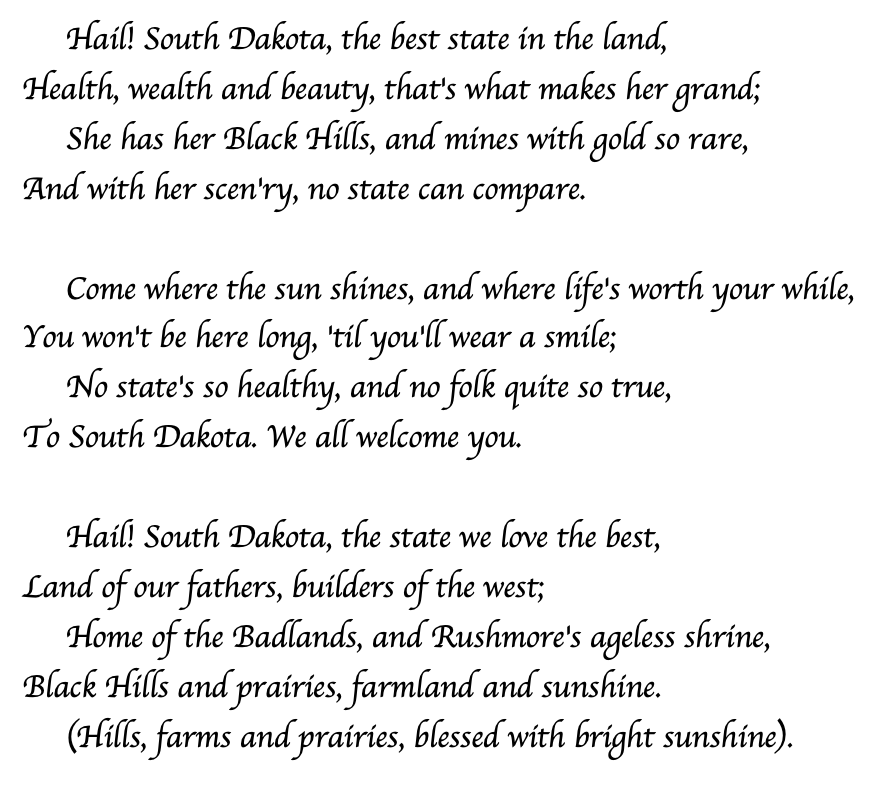
State song (1943) – “Hail! South Dakota” by Deecort Hammitt. The Secretary of State’s office provides a link to the sheet music.
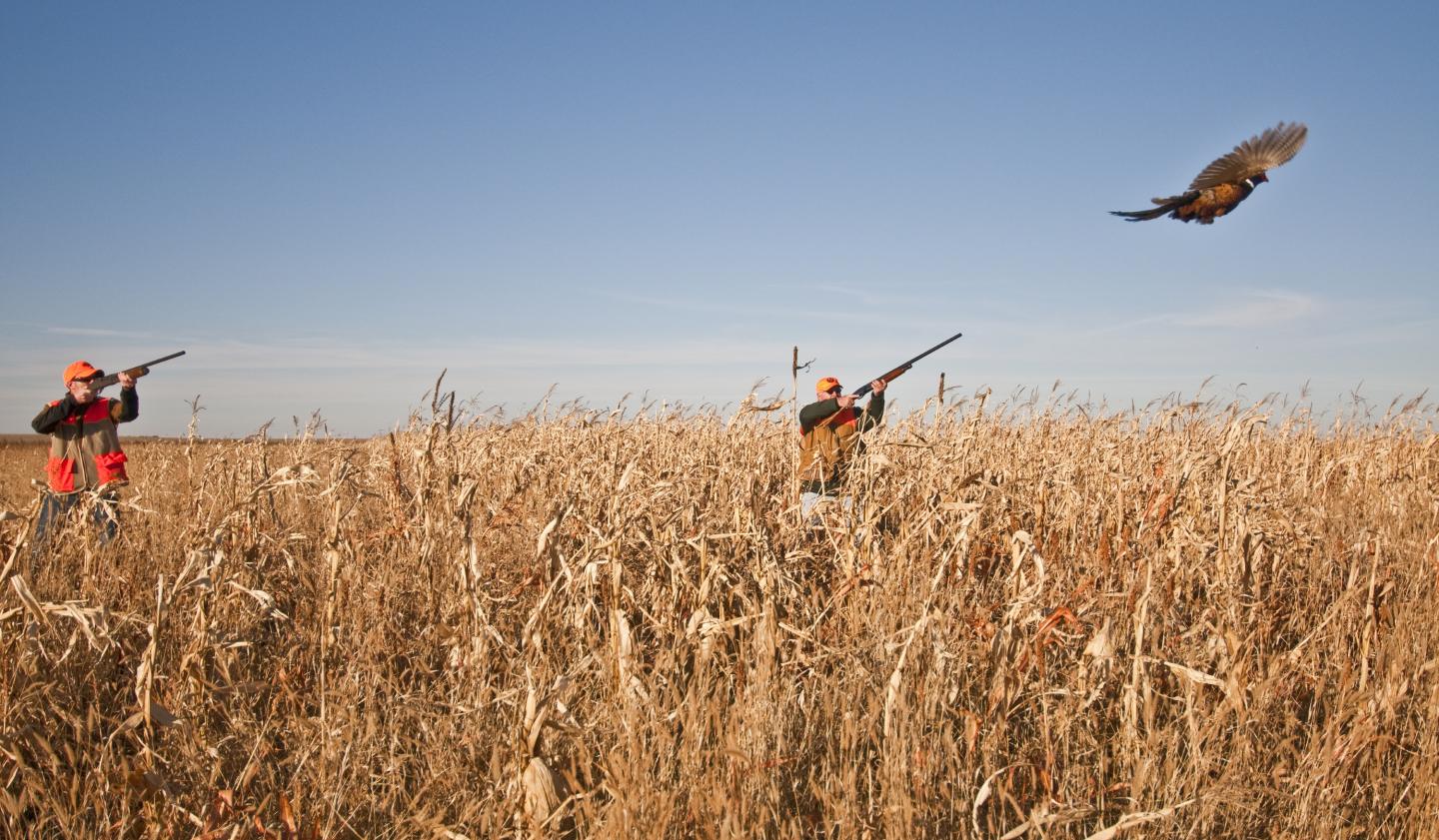
State bird (1943) – Chinese ring-neck pheasant. South Dakota may not be the only state that hunts its state bird, but we certainly have the most enthusiasm in doing so.
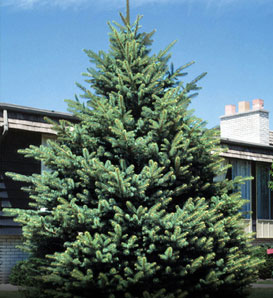
State tree (1947) – Black Hills spruce.
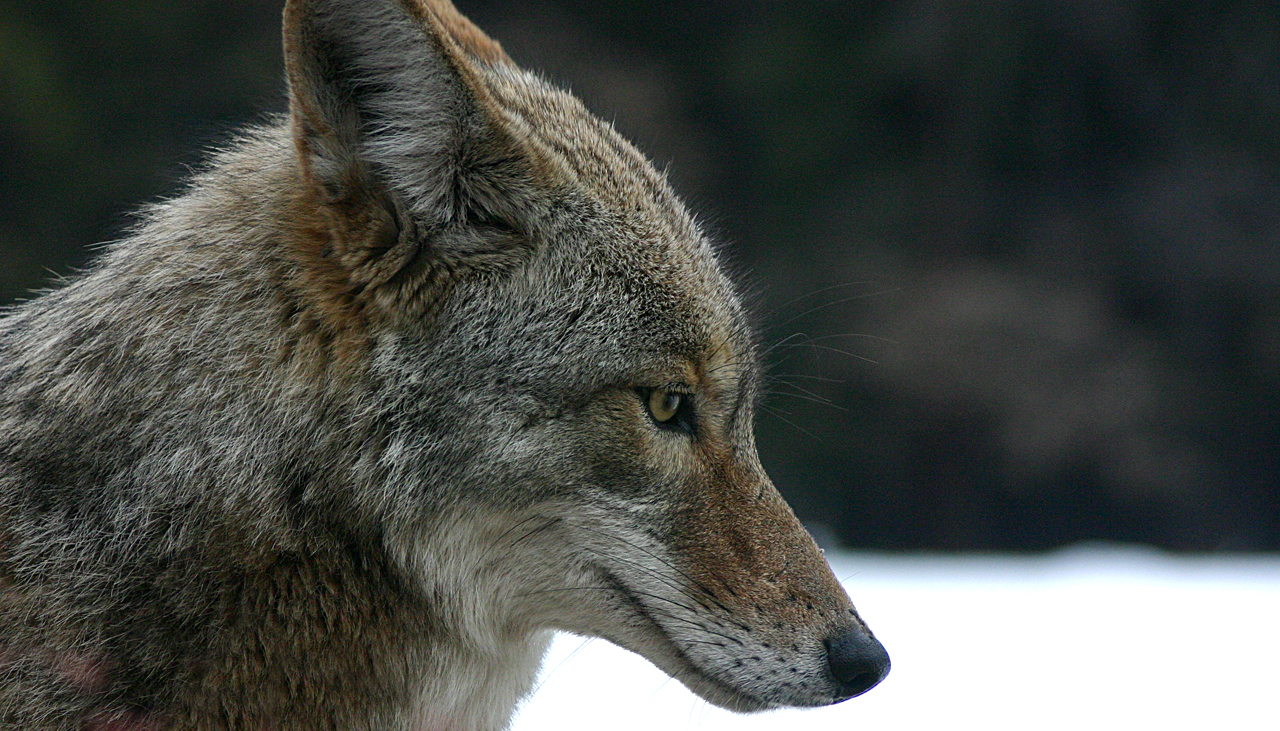
State animal (1949) – Coyote. The coyote is also the mascot of the University of South Dakota. The legislation adopting the coyote as the state animal was signed by Gov. George T. Mickelson, who had been USD’s student body president.
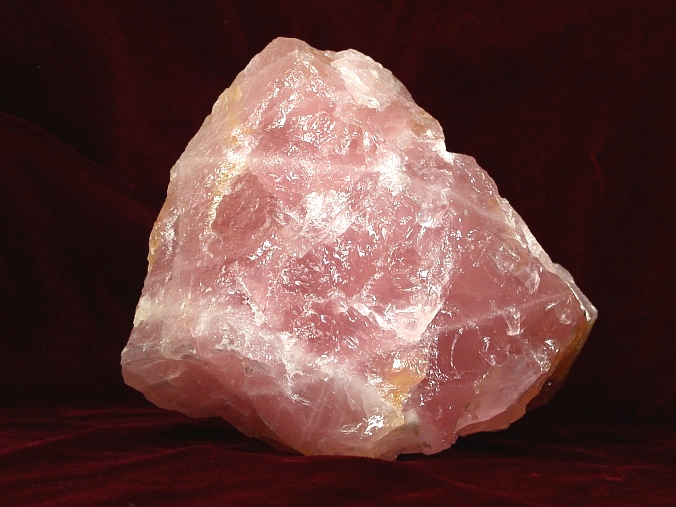
State mineral stone (1966) – Rose quartz.
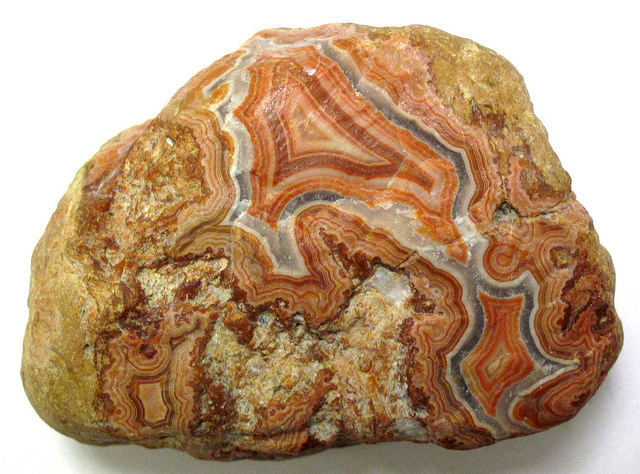
State gemstone (1966) – Fairburn agate.
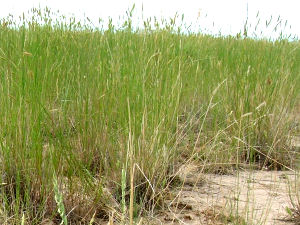
State grass (1970) – Western wheat grass.
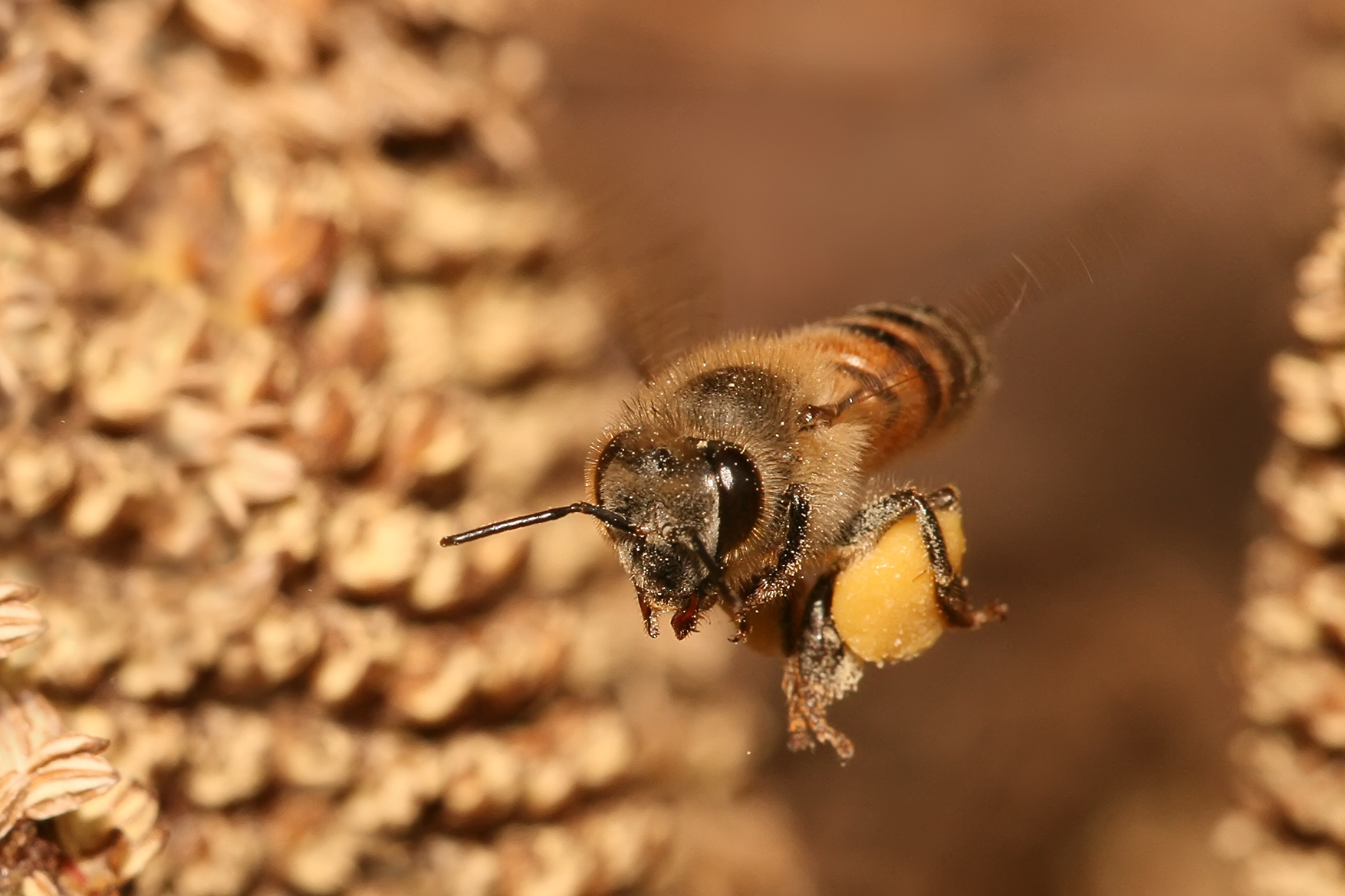
State insect (1978) – Honey bee.
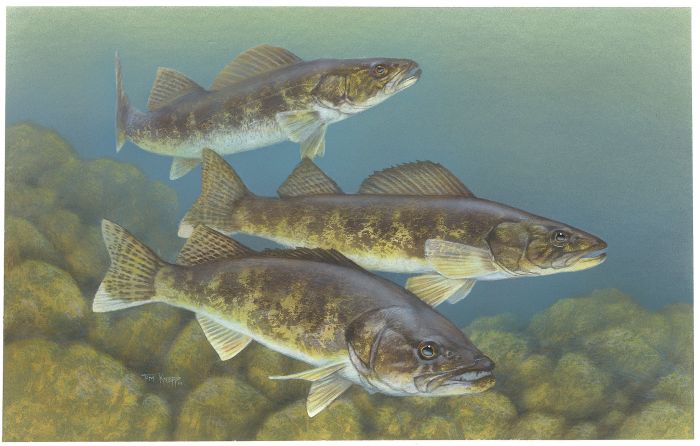
State fish (1982) – Walleye.
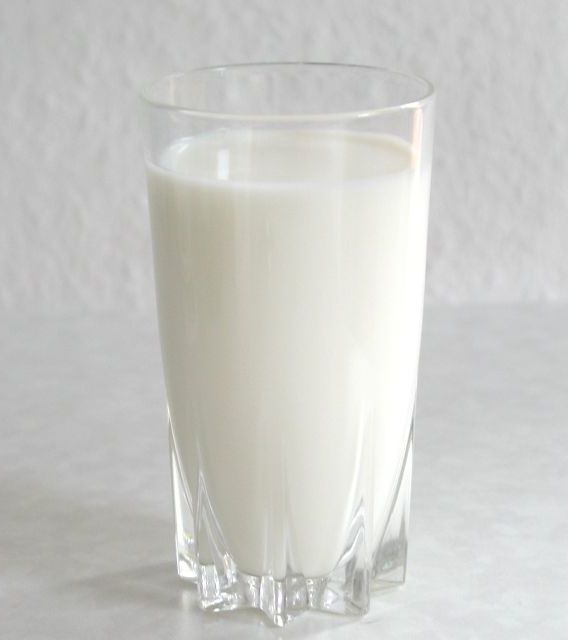
State drink (1986) – Milk. The statute specifies that the state drink is lac vaccum, or the milk of a cow.
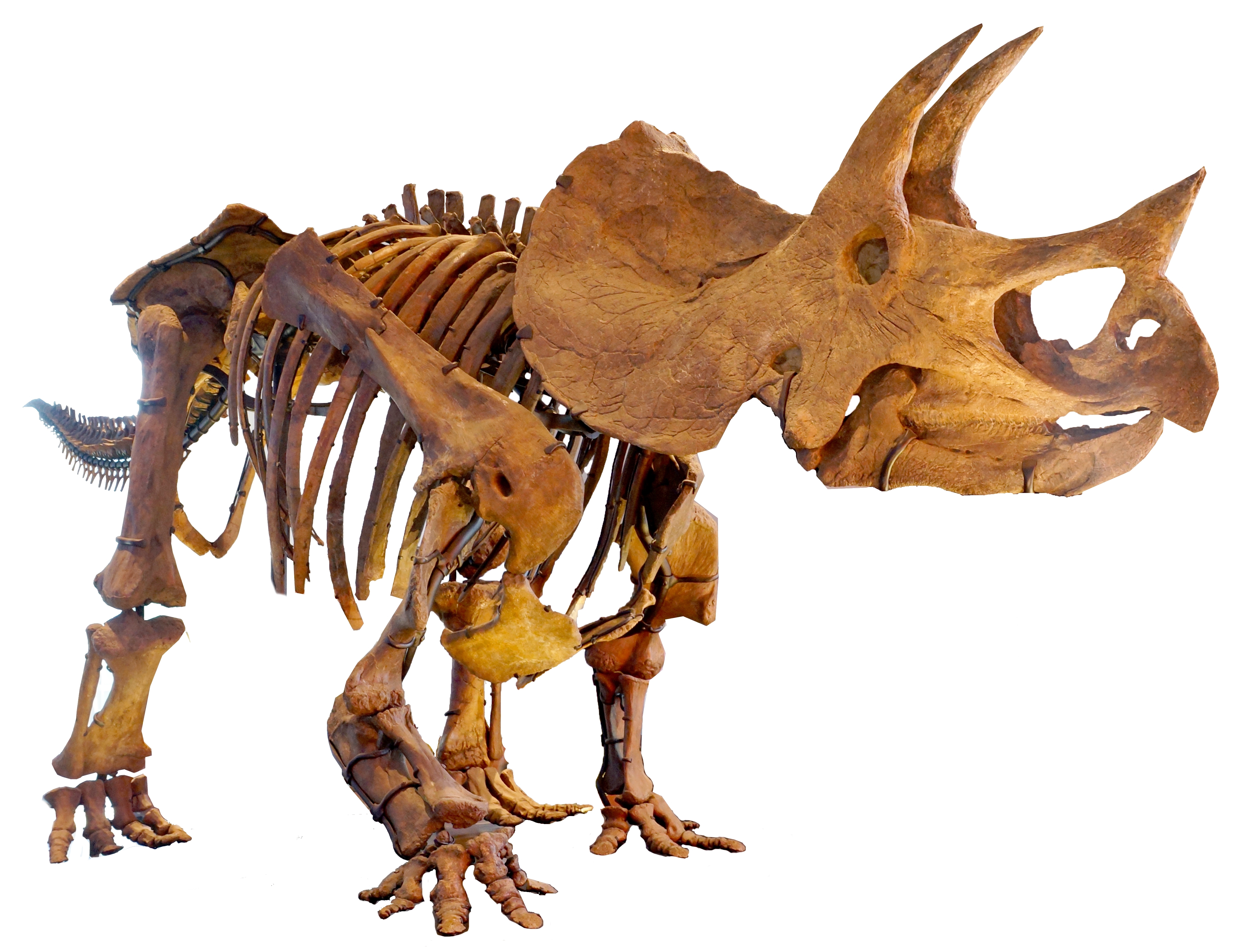
State fossil (1988) – Triceratops.
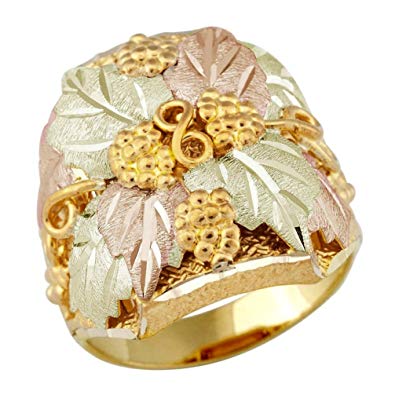
State jewelry (1988) – Black Hills gold. The term “Black Hills gold” can only be used in reference to jewelry manufactured in the Black Hills of South Dakota.
State musical instrument (1989) – Fiddle. A fiddle is usually a violin, used for playing folk music.
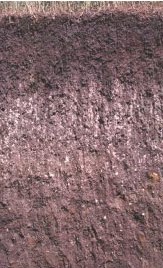
State soil (1990) – Houdek. The statute specifies that the state soil is “fine-loamy, mixed, mesic typic argiustolls.
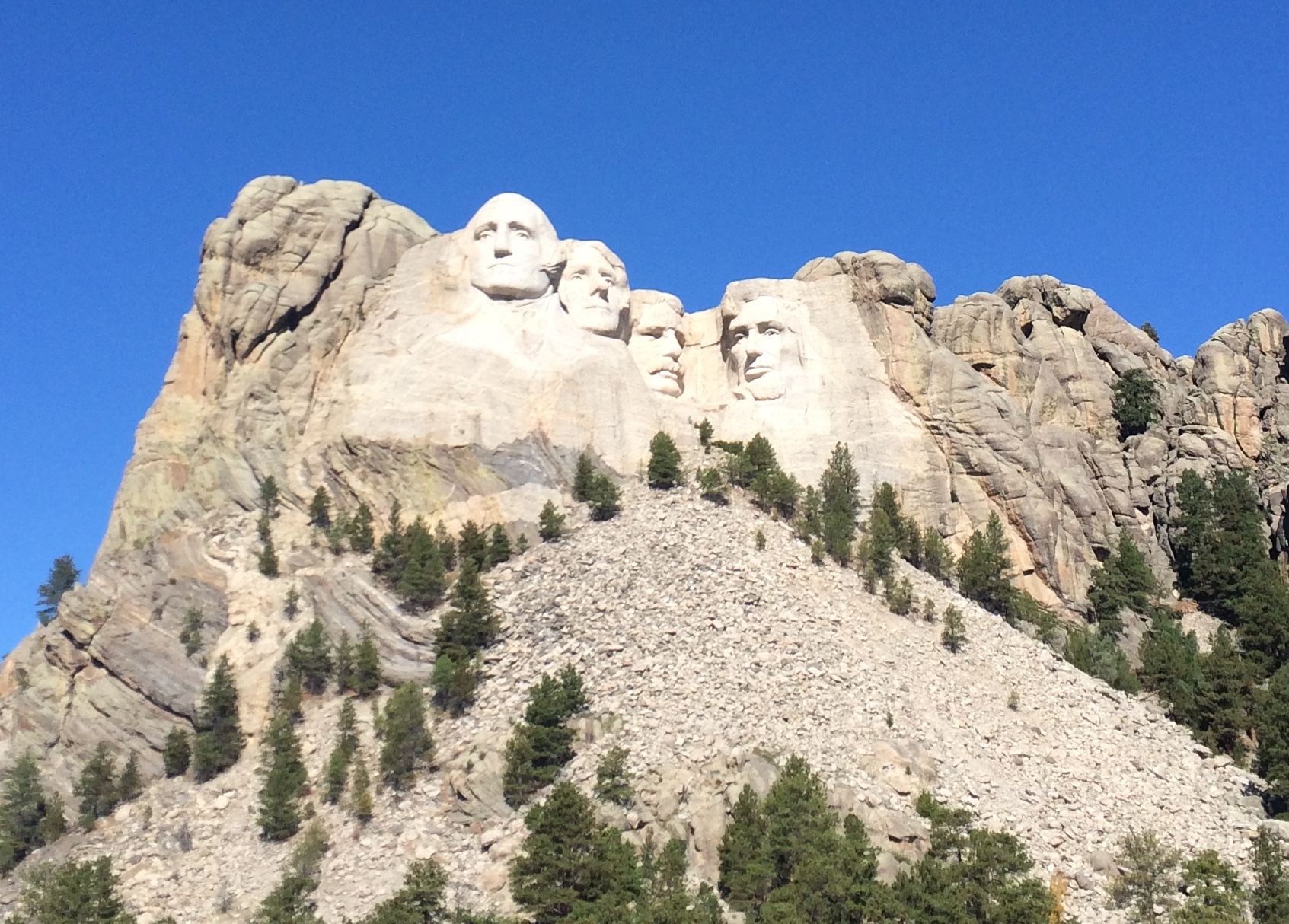
State nickname (1992) – “The Mount Rushmore State.” The previous nickname, “The Sunshine State,” had been featured on the state flag since 1909 but had never been specifically adopted. The change to “The Mount Rushmore State” was intended to promote South Dakota’s most famous site, and the state flag was changed accordingly. South Dakota has also been known informally as “The Land of Infinite Variety.”
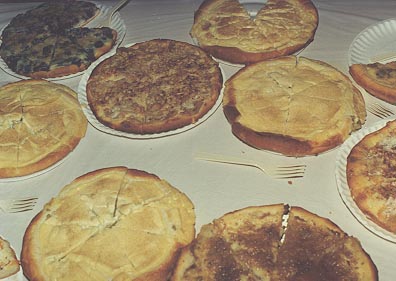
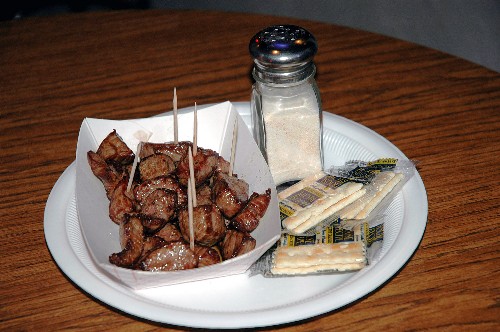
State nosh (2018) – Chislic. “Nosh” is a Yiddish word, meaning “a snack.” Chislic is cubed, deep-fried red meat. Originally lamb meat, it is also often made from beef.
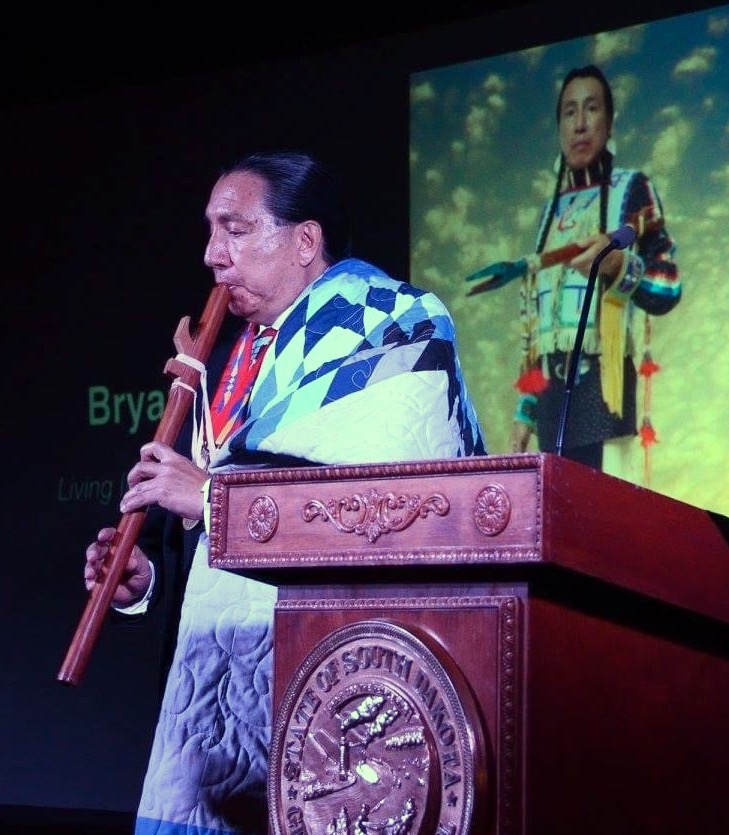
State indigenous musical instrument (2022) – Traditional Flute. The flute is played by the Octeti Sakowin and by other Native American tribes.




 SoDak Governors