
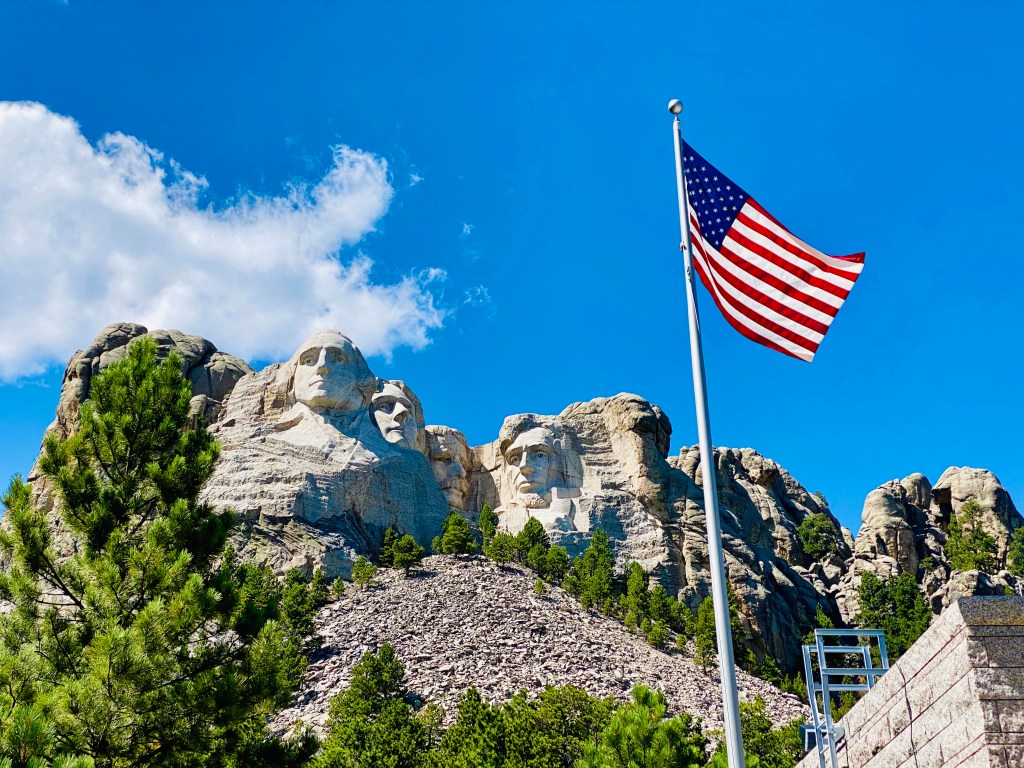
The Dakota Scout reported today that Governor Kristi Noem is exploring options to keep Mount Rushmore open if the federal government is shutdown on October 1. This blogger offered a brief comment for that story, recalling similar efforts by Governor Dennis Daugaard exactly ten years ago, when the federal government shutdown in early October 2013. (Update: Noem announced on September 29 an agreement with the feds to keep Rushmore open during a shutdown on a limited basis.)
Beginning in 2018, this blogger and other members of Governor Daugaard’s staff began to compile accounts of important events in his administration. Below is a short historical sketch written about the 2013 efforts to reopen Mount Rushmore:
October 2013 brought the first shutdown of the federal government since 1995. The shutdown began on October 1, after Congress failed to pass a continuing resolution to fund the government for the new federal fiscal year. Republicans, who controlled the U.S. House, had passed a resolution that defunded aspects of the Affordable Care Act (or “Obamacare”). President Obama and the U.S. Senate’s Democratic majority refused to acquiesce to that demand.
The federal shutdown meant temporary closure of federally operated parks and monuments, including Mount Rushmore National Monument. As the shutdown loomed, Governor Daugaard had contacted U.S. Secretary of the Interior Sally Jewell to enquire as to whether state personnel could operate Mount Rushmore during a shutdown. Secretary Jewell declined; the National Park Service would not allow state staff to operate the monument, and also would also not accept payment to keep Mount Rushmore open with Park Service staff.
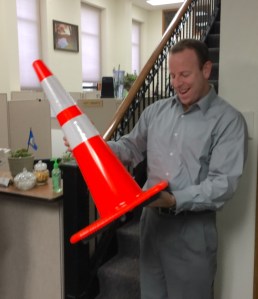
Although Mount Rushmore’s closure was caused by the federal shutdown, it also became clear that the Obama administration intended to use the closure of attractions like Rushmore to exacerbate the impact of the shutdown. Governor’s staffer Matt Konenkamp engaged in a lengthy dispute with federal officials when he learned that Park Service staff were actually using traffic cones to close pull-asides on the state highway near Mount Rushmore – creating extra work for federal employees solely to prevent tourists from even catching a glimpse of the Monument.
By the second week of the shutdown, the Park Service position began to soften. Secretary Jewell agreed to reopen Mount Rushmore if the state reimbursed the Park Service $15,200 per day. Governor Daugaard, Lt. Governor Michels, Dusty Johnson, Jim Seward, Kim Olson, Tony Venhuizen and Matt Konenkamp all got on the phone, and within two hours, they had solicited fourteen donors to each “buy a day” of Rushmore operation. The monument reopened on October 14, courtesy of the Mount Rushmore Society, that day’s sponsor, and remained open the next two days thanks to Rapid City Convention and Visitors Bureau and Black Hills Central Reservations.
The shutdown ended on October 17, and federal officials resumed ordinary operation of Mount Rushmore and other national parks and monuments. The “buy a day” sponsors each received a pro-rated refund of their donations. Although the Governor’s fundraising drive only opened Mount Rushmore for three extra days, it established a precedent that the Park Service could reopen its facilities during a shutdown. For Matt Konenkamp’s efforts, his co-workers presented him with a special memento: an orange DOT traffic cone, “autographed” by George Washington, Thomas Jefferson, Abraham Lincoln, and Theodore Roosevelt.
 SoDak Governors